Археолошка истраживања манастира ПапраћеArchaeological research of the Papraća monastery
Протекле двије године траје пројекат систематских археолошких
истраживања манастира Папраће у оквиру обиљежавања јубилеја поводом
170 година од последње велике обнове. Досадашња истраживања показују
још већи значај манастирског комплекса, него што се до сада
претпостављало.
For the past two years, a project of systematic archaeological
research has been going on in the Papraća monastery, all within the
framework of celebrating the 170th anniversary of the last major
renovation of the monastery. The results of research so far have
shown an even greater importance of the monastery complex than which
was previously assumed.
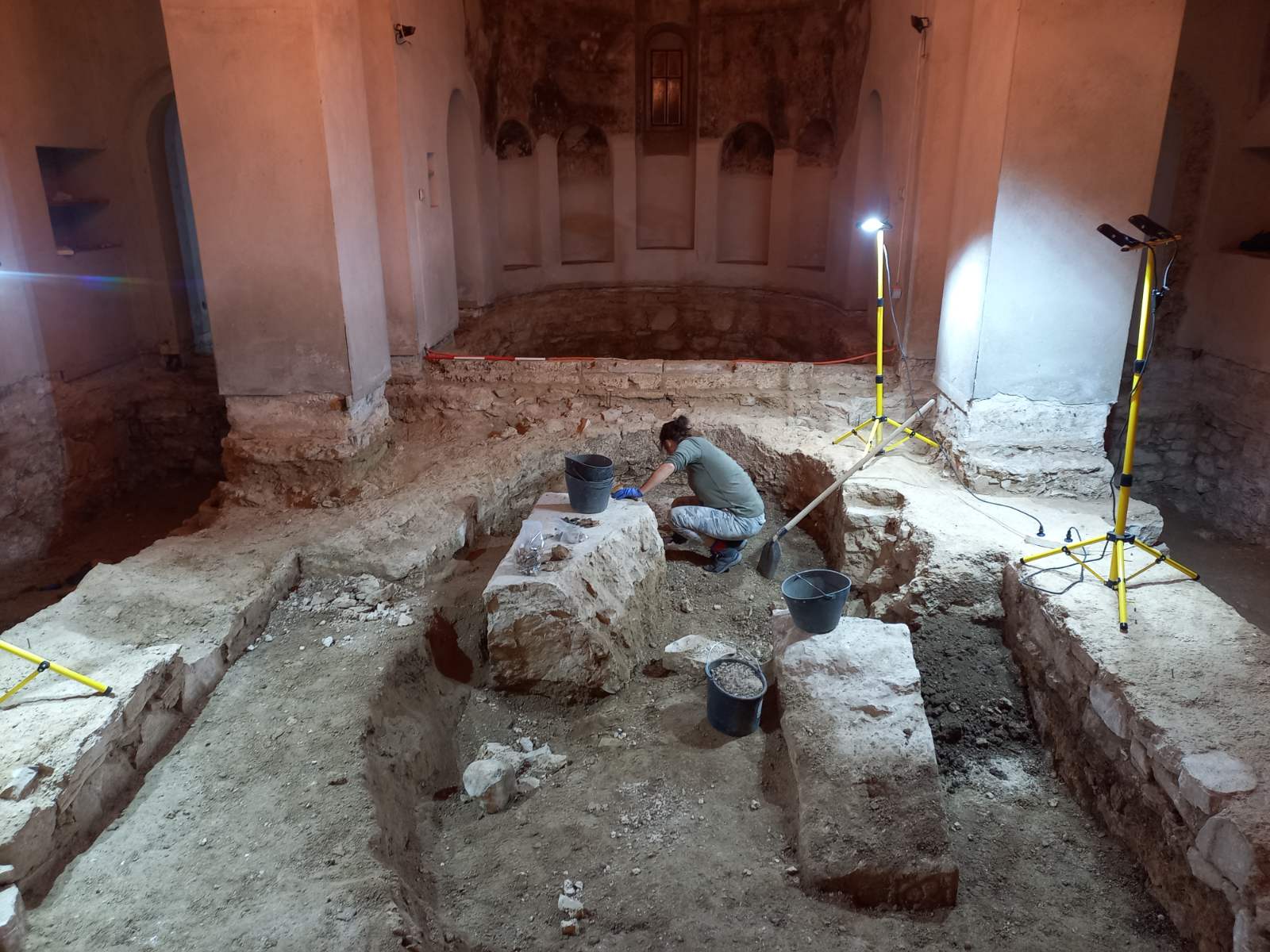
Испод пода великог триконхоса из средине 16. вијека, откривени су
остаци старије једнобродне цркве, прелиминарно датиране на крај 13.
или почетак 14. вијека, а уз коју је средином 14. вијека призидана
припрата са гробницом на свод. Такође, у средини наоса старије цркве
откривена је још једна гробница на свод, која је датирана у почетак
15. вијека. Гробница је имала надземну конструкцију - мрамор/стећак
у облику сандука. Остаци старије цркве били су украшени квалитетним
фрескописом српско-византијског стила. Поред ових, пронађен је и
мањи корпус фресака млађе цркве из 16. вијека. Гробница у припрати
опљачкана је крајем 19. вијека. Унутар ње откривени су скелетни
остаци најмање три покојника са траговима златовеза који су се
очували на костима. Све ово иде у прилог констатацији да се ради о
сахрани најистакнутијих чланова друштва и могућих ктитора. Друга
гробница у средини наоса такође је била у потпуности опљачкана.
Старија црква страдала је у другој половини 14. вијека, да би након
тога, почетком 15. вијека била формирана велика некропола под
стећцима која је трајала све до почетка 16. вијека. До сада је
истражено 90 гробова. Неки од гробова садржали су прилоге у виду
новчића или пак дијелове ношње попут остатака тканине, дугмића или
дијелова појасних копчи. Средином 16. вијека на локалитету је
подигнута монументална црква, данашњи храм, са конацима, економским
и стамбеним зградама и обзиђем.
Under the floor of the large trikonchos from the middle of the 16th
century, the remains of an older single-nave church were discovered,
tentatively dated to the end of the 13th or the beginning of the
14th century, to which a chancel with a vaulted tomb was added in
the middle of the 14th century. Also, in the middle of the nave of
the older church, another vault tomb was discovered, which is dated
to the beginning of the 15th century. The tomb had an above-ground
construction - marble/stećak in the form of a chest. The remains of
the older church were decorated with high-quality frescoes in the
Serbian-Byzantine style. In addition to these, a smaller corpus of
frescoes from the younger church from the 16th century was also
found. The tomb in the chancel was looted at the end of the 19th
century. Inside it were discovered the skeletal remains of at least
three deceased people with traces of gold embroidery preserved on
the bones. All this supports the conclusion that it is about the
burial of the most prominent members of the society and possible
founders. The second tomb in the middle of the nave was also
completely looted. The older church was destroyed in the second half
of the 14th century, after which, at the beginning of the 15th
century, a large necropolis was formed under the stećci, which
lasted until the beginning of the 16th century. So far, 90 graves
have been investigated. Some of the graves contained contributions
in the form of coins or parts of costumes such as remnants of
fabric, buttons or parts of belt buckles. In the middle of the 16th
century, a monumental church was built on the site, today's temple,
with lodgings, economic and residential buildings and walls.
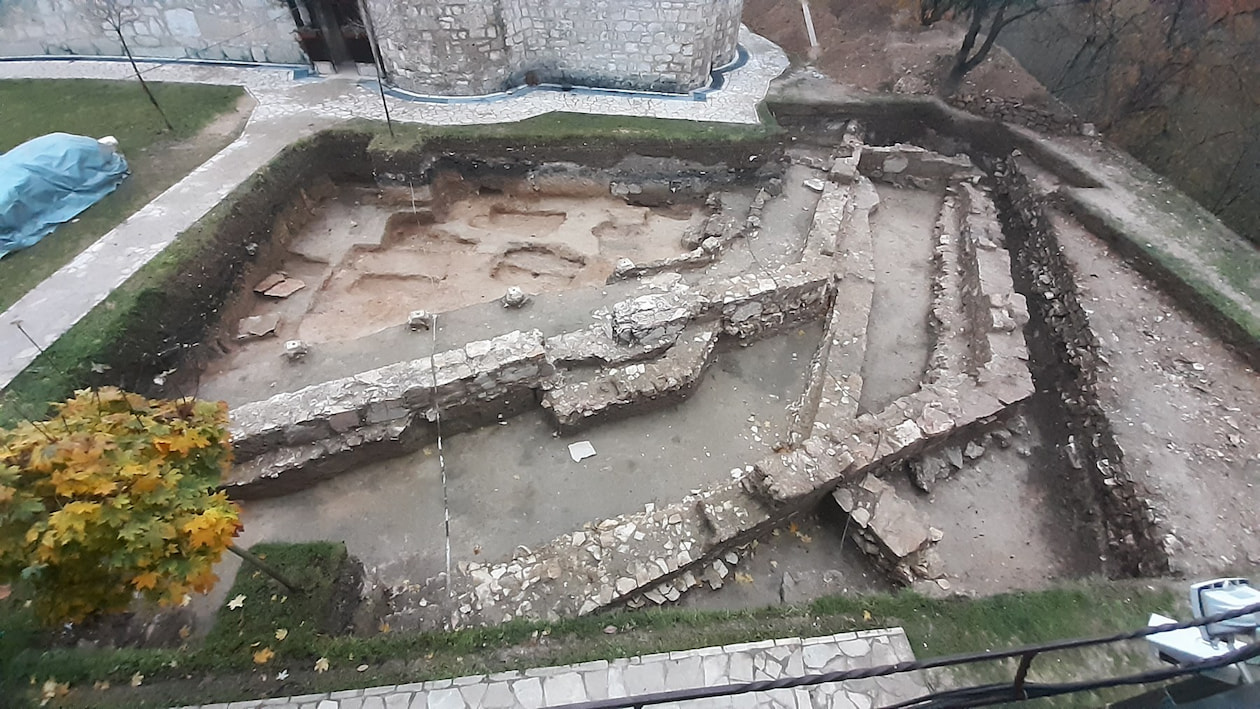
У току друге кампање радило се на ископавању грађевине 1 која
представља остатке конака који је формиран са јужне и источне стране
цркве. Сама зграда имала је неколико фаза изградње, једна је сигурно
средњовјековна, док се идућа фаза датује у другу половину 16. и
почетак 17. вијека. Конаци из раног новог вијека имали су тријем са
стубовима, остатке дренажног канала и огњиште. Откривена је велика
количина археолошког материјала укључујући алатке од кости и рога,
керамичко посуђе, посуде од стакла, дијелове стаклених прозора
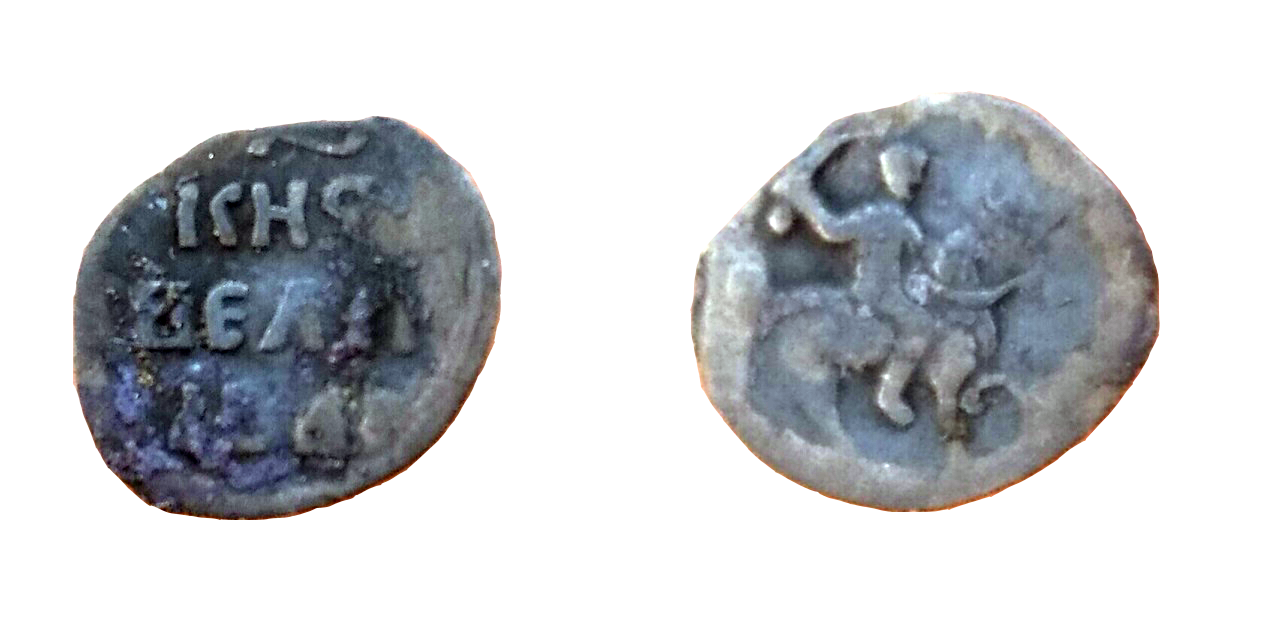
(окулуси), алатке од метала, накит и новац. Највећи број
нумизматичких налаза везује се за 17. вијек и укључује новац пољских
и угарских краљева, турске акче, а куриозитет представља новац цара
Ивана Грозног и Фјодора I из 16. вијека, који даје потврду из
писаних извора о честим путовањима папраћких игумана у Русију. Осим
што су били вјерски центри, манастири су били и економска средишта
која су производила и трговала робом од најразличитијег материјала и
поријекла. Фрагменти керамике из Изника, најлуксузније керамике 16.
вијека, доказ су повезаности са великим центрима Османског царства,
исто важи и за налазе од стакла чије су радионице смјештене у
Приморију и Венецији. Папраћа је у своје златно вријеме била је
значајан преписивачки центар који је у најтежа времена сабирао и
чувао културу и традицију.
During the second campaign, work was carried out on the excavation
of building 1, which represents the remains of the lodge that was
formed on the south and east side of the church. The building itself
had several phases of construction, one is certainly medieval, while
the next phase dates back to the second half of the 16th and the
beginning of the 17th century. The lodgings from the early modern
century had a portico with columns, the remains of a drainage
channel and a fireplace. A large amount of archaeological material
was discovered including bone and horn tools, ceramic dishes, glass
vessels, parts of glass windows (oculus), metal tools, jewelry and
money. The largest number of numismatic finds is related to the 17th
century and includes the coins of Polish and Hungarian kings,
Turkish akce, and the curiosity is represented by the coins of the
emperors Ivan the Terrible and Fyodor I from the 16th century, which
provides confirmation from written sources about the frequent trips
of the monastery’s monks to Russia. In addition to being religious
centers, monasteries were also economic centers that produced and
traded goods from a wide variety of materials and origins. Fragments
of ceramics from Iznik, the most luxurious ceramics of the 16th
century, are proof of the connection with the great centers of the
Ottoman Empire, and the same applies to glass finds whose workshops
are located in Primorje and Venice. In its golden age, Papraća was
an important copying center that collected and preserved culture and
tradition in the most difficult times.
руководилац истраживања др Александар Јашаревић,
музејски савјетник археолог, Регионални Музеј у Добоју
head of research Dr Aleksandar Jašarević, museum
consultant archaeologist, Regional Museum in Doboj
Видео записиVideo
24. 7. 2022.
6. 11. 2022.
Археолошка истраживања у 2023. годиниArchaeological research in 2023
30. 1. 2024.
Са благословом Његовог Преосвештенства Епископа зворничко–тузланског
г. Фотија у манастиру Папраћа у 2023. години настављена су систематска
археолошка истраживања. Овогодишња истраживачка кампања била је
усмјерена ка завршетку археолошких ископавања у јужном дијелу порте.
На овом простору настављена су ископавања грађевине 1 или јужног
конака. Ова импресивна грађевина има знатне габарите, формирана на
источној страни апсиде и пружа се цијелом јужном страном манастирског
храма. Испред конака био је постављен тријем, од кога су очувани
остаци камених постоља за фиксирање дрвених стубова тријема. Отркивена
су три улаза са пратећом инфраструктуром; дренажним каналом, остацима
зиданог огњишта/камина и дјелимичног оргиналног поплочања. Нажалост у
крајњем јужном дијелу остаци старог конака настављају се испод
данашњег модерног конака, тако да су ископавања махом ограничена на
остатке тријема и предњег зида грађевине. Унутар и ван објекта
откривен је мањи број археолошких налаза, но веома разноврсних и посве
интересантних. Ту су предмети од керамике, алатке од кости и рога,
стакло, бронзани и жељезни предмети, те мањи број новчића. Остаци
животињских костију дају нам увид у прехрамбене активности у датом
периду. Предмети хронолошки датирају објекат и слој у другу половину
16. и кроз читав 17. вијек.
With the blessing of His Eminence the Bishop of Zvornik and Tuzla Mr.
Fotije, the systematic archaeological research in the Papraća
monastery continued in 2023. This year's research campaign was aimed
at the completion of archaeological excavations in the southern part
of the port. Excavations of building 1 or the southern quarters
continued in this area. This impressive building has considerable
dimensions, formed on the eastern side of the apse and extending along
the entire southern side of the monastery temple. A portico was placed
in front of the inn, from which the remains of stone plinths for
fixing the portico's wooden pillars have been preserved. Three
entrances with accompanying infrastructure were discovered; drainage
channel, remains of a brick hearth/fireplace and partial original
paving. Unfortunately, in the extreme southern part, the remains of
the old inn continue below the present-day modern inn, so excavations
are largely limited to the remains of the porch and the front wall of
the building. Inside and outside the building, a smaller number of
archaeological finds were discovered, but they were very diverse and
quite interesting. There are ceramic objects, bone and horn tools,
glass, bronze and iron objects, and a small number of coins. Remains
of animal bones give us an insight into food activities in a given
period. The objects chronologically date the object and layer to the
second half of the 16th and throughout the 17th century.
Сјеверно од грађевине 1 настављено је ископавање средњовјековне
некрополе. Интересантно је да су поједини гробови откривени и на
простору тријема грађевине 1. Оно што је посебност некрополе у Папраћи
је величина и интезивно сахрањивање у временском период од краја 14.
вијека до почетка 16. вијека. У ово релативно кратком периоду
покојници су сахрањивани у три временски и стратиграфски различита
хоризонта. У одређеном броју млађе гробне конструкције пресјекле су
оне старије. До сада је отривено укупно 160 гробова. Оријентације
гробова је у правилу исток – запад са главама на западу. Покојници су
положени у опруженом положају са рукама прекрштеним на грудима или
куковима. Гробни прилози/налази су изузетно ријетко евидентирани,
махом то су дијелови ношњи попут; бронзаних дугмића, појасних жељезних
пређица у једном случају бронзана игла, а новчићи сасвим ријетко.
Такође погребна пракса у конструкцији гробова је разнолика.
Најбројније су једноставне укопане раке. Затим конструкције у облику
сандука од камених плоча и конструкције од седрених плоча. У неколико
примјера евидентиране су укопане јаме, гробнице, оивичена са каменим
плочама и покривене истим. У оваквим гробовима скелетни материјал је
најслабије очуван, no очувани су остаци текстила који нам дају увид не
само у текстилу производњу већ и у обичаје приликом укопавања. Тијело
покојника умотавано је у платно и положено у гробницу, у већини
случајева глава је ослоњена на мању камену плочицу. На некрополи
регистровани су сви узрасти и све полне структуре. Слиједи детаљна
антрополошка анализа која ће нам дати увид у животне активности и
здравствено стање средњовјековне популације. До сада је истражена
површина од приближно 700 м² што је око половине укупног археолошког
налазишта у Папраћи. Важно је напоменути да је закључно са овим
истраживањем манастир Папраћа најбоље истражени православни манастир
западно од ријеке Дрине. У наставку археолошких истраживања неопходно
је систематски истражити западни дио порте са остацима старијих
грађевина и некрополе, такође истражити простор на коме ће бити
постављен нови дренажни канал. За финалну фазу остављен је простор на
сјеверној страни око манастирске капије и дио на коме се такође у
прошлости помиње постојање гробница на свод.
North of building 1, the excavation of the medieval necropolis
continued. It is interesting that some graves were also discovered in
the area of the portico of building 1. What is special about the
necropolis in Papraća is its size and intensive burials in the period
from the end of the 14th century to the beginning of the 16th century.
In this relatively short period, the deceased were buried in three
temporally and stratigraphically different horizons. In a certain
number of younger burial structures, the older ones were cut through.
A total of 160 graves have been excavated so far. As a rule, the
orientation of the graves is east-west with the heads in the west. The
deceased are laid in a supine position with their arms crossed on
their chests or hips. Grave goods/finds are extremely rarely recorded,
mostly they are parts of costumes such as bronze buttons, belted iron
threads, in one case a bronze needle, and coins quite rarely. Also,
the funerary practice in the construction of graves is diverse. The
most numerous are simple burials. Then constructions in the form of
boxes made of stone slabs and structures made of travertine slabs. In
several examples, buried pits and tombs were recorded, bordered with
stone slabs and covered with them. In such graves, the skeletal
material is the most poorly preserved, but the remains of textiles are
preserved, which give us an insight not only into textile production,
but also into customs during burial. The body of the deceased was
wrapped in cloth and placed in the tomb, in most cases the head rested
on a small stone slab. All ages and all sex structures are registered
at the necropolis. The following is a detailed anthropological
analysis that will give us an insight into the life activities and
health condition of the medieval population. So far, an area of
approximately 700 m² has been explored, which is about half of the
total archaeological site in Papraća. It is important to note that,
concluding with this research, the Papraća monastery is the
best-researched Orthodox monastery west of the Drina river. In the
continuation of archaeological research, it is necessary to
systematically investigate the western part of the gate with the
remains of older buildings and the necropolis, as well as investigate
the area where the new drainage channel will be installed. For the
final phase, the space on the north side around the monastery gate and
the part where the existence of vault tombs was also mentioned in the
past was left.
руководилац истраживања др Александар Јашаревић, музејски савјетник
археолог, Регионални Музеј у Добоју
head of research Aleksandar Jašarević, PhD, museum consultant
archaeologist, Regional Museum in Doboj
Наставак археолошких ископавања 2023. годинеContinuation of archaeological excavations in 2023.
1. 7. 2023.
Археолошка истраживања у 2024. годиниArchaeological research in 2024
5. 10. 2024.
Са благословом Његовог Високопреосвештенства Митрополита
зворничко–тузланског г. Фотија у манастиру Папраћа у периоду од 10.
јуна 2024. до 10. августа 2024. године извршена је четврта фаза
систематских археолошких истраживања. Овогодишња кампања усмјерена је
на истраживање западног дијела порте, тачније простор старог конака.
Циљ је био утврдити да ли испод темеља грађевине, која је према
писаним изворима изграђена почетком 20. вијека, постоје остаци
старијег објекта који се доводи у вези са остатком грађевина из 16-17.
вијека. Такође утврдити и границе средњовјековне некрополе западно од
цркве. Резултати ископавања потврдили су да је конак заправо подигнут
средином 19. вијека приликом велике обнове манастира, а обновљен
почетком 20. вијека. Покретни археолошки материјал укључује керамички
инвентар, кухињско и трпезно посуђе, затим фрагменте стаклених посуда,
пећњаци, новац, а спорадично и накит. Иако налази представљају
релативно новију скупину предмета, важни су за разумјевање општих
културно-историјских и политичких оквира у којима се нашла Папраћа у
овом раздобљу. Крај дуге османске владавине и аустро-угарска окупација
знатно су утицали на оптицај нове робе и нових животних навика. Градња
у 19. вијеку махом је уништила раније археолошке слојеве унутар
објекта. Од старијих фаза пронађени су остаци зида у ходничком
простору. Такође кроз конак из правца улаза па све до западног зида
очувани су остаци каменог поплочања. Поплочање у западној половини
чини се као остаци калдрмисаног пута. При ископавању јужног дијела ван
габарита конака према обзиђу откривени су остаци другог објекта. Ријеч
је о грађевини укопаној у терен, са највјероватније подрумским
простором. Јужни дио је усјечен је у камену основу брда и у доњим
зонама није имао спољашње лице. Објекат је квалитетно грађен, посебно
је добро обрађено унутрашње лице зида. Правоугаона грађевина од које
је очуван јужни дио док је остатак уништен изградњом старог конака,
датиран је око средине 16. стољећа. Унутар објекта евидентирано је
јако мало покретног археолошког материјала. Спорадично уломци керамике
и животињске кости. Новину представље већи број квалитетно обрађених
комада камена, базе стубова, стубови, надвратници и надпрозорници.
Израђени од зеленог туфа и кречњака. Средњовјековна некропола није се
ширила на западни дијо данашње порте. Изузетак представља гроб 102/II,
који је евидентиран уз источни зид конака из 16. стољећа. Укоп је
поремећен, горњи дијелови скелета уништени су укопавањем источног
зида.
With the blessing of His Eminence Metropolitan Fotije of
Zvornik-Tuzla, in the Papraća monastery in the period from June 10,
2024 to August 10, 2024, the fourth phase of systematic archaeological
research was carried out. This year's campaign is aimed at exploring
the western part of the port, more precisely the area of the old inn.
The goal was to determine whether under the foundation of the
building, which according to written sources was built at the
beginning of the 20th century, there are remains of an older building
that is connected to the rest of the buildings from the 16th and 17th
centuries. Also determine the boundaries of the medieval necropolis
west of the church. The results of the excavation confirmed that the
inn was actually built in the middle of the 19th century during the
great renovation of the monastery, and rebuilt in the beginning of the
20th century. Movable archaeological material includes ceramic
inventory, kitchen and tableware, then fragments of glass vessels,
ovens, money, and sporadically jewelry. Although the findings
represent a relatively recent group of objects, they are important for
understanding the general cultural-historical and political framework
in which Papraća found itself in this period. The end of the long
Ottoman rule and the Austro-Hungarian occupation significantly
influenced the circulation of new goods and new lifestyles.
Construction in the 19th century largely destroyed the earlier
archaeological layers inside the building. Remains of the wall in the
corridor area were found from the older phases. Remains of stone
paving have also been preserved throughout the lodge from the
direction of the entrance all the way to the western wall. The paving
in the western half appears to be the remains of a cobbled road.
During the excavation of the southern part outside the dimensions of
the inn towards the walls, the remains of another building were
discovered. It is a building dug into the ground, most likely with a
basement. The southern part was cut into the stone base of the hill
and in the lower zones it did not have an external face. The building
is built to a high standard, the inner face of the wall is especially
well finished. The rectangular building, of which the southern part
has been preserved while the rest was destroyed by the construction of
the old inn, is dated around the middle of the 16th century. Very
little movable archaeological material was recorded inside the
building. Sporadic fragments of ceramics and animal bones. The novelty
is represented by a large number of high-quality processed pieces of
stone, column bases, columns, lintels and window sills. Made of green
tuff and limestone. The medieval necropolis did not extend to the
western part of today's gate. The exception is grave 102/II, which was
recorded against the eastern wall of the 16th-century inn. The burial
was disturbed, the upper parts of the skeleton were destroyed by the
burial of the eastern wall.
руководилац истраживања др Александар Јашаревић, музејски савјетник
археолог, Регионални Музеј у Добоју
head of research Aleksandar Jašarević, PhD, museum consultant
archaeologist, Regional Museum in Doboj
Помоћ археолошком истраживањуSupport for the archaeological research
Уколико желите да помогнете археолошка истраживања манастира Папраће,
можете то учинити помоћу
If you want to support archaeological reasearch of the Papraća
Monastery, you can
Донације
Donate